
Aircraft
Falco F8L
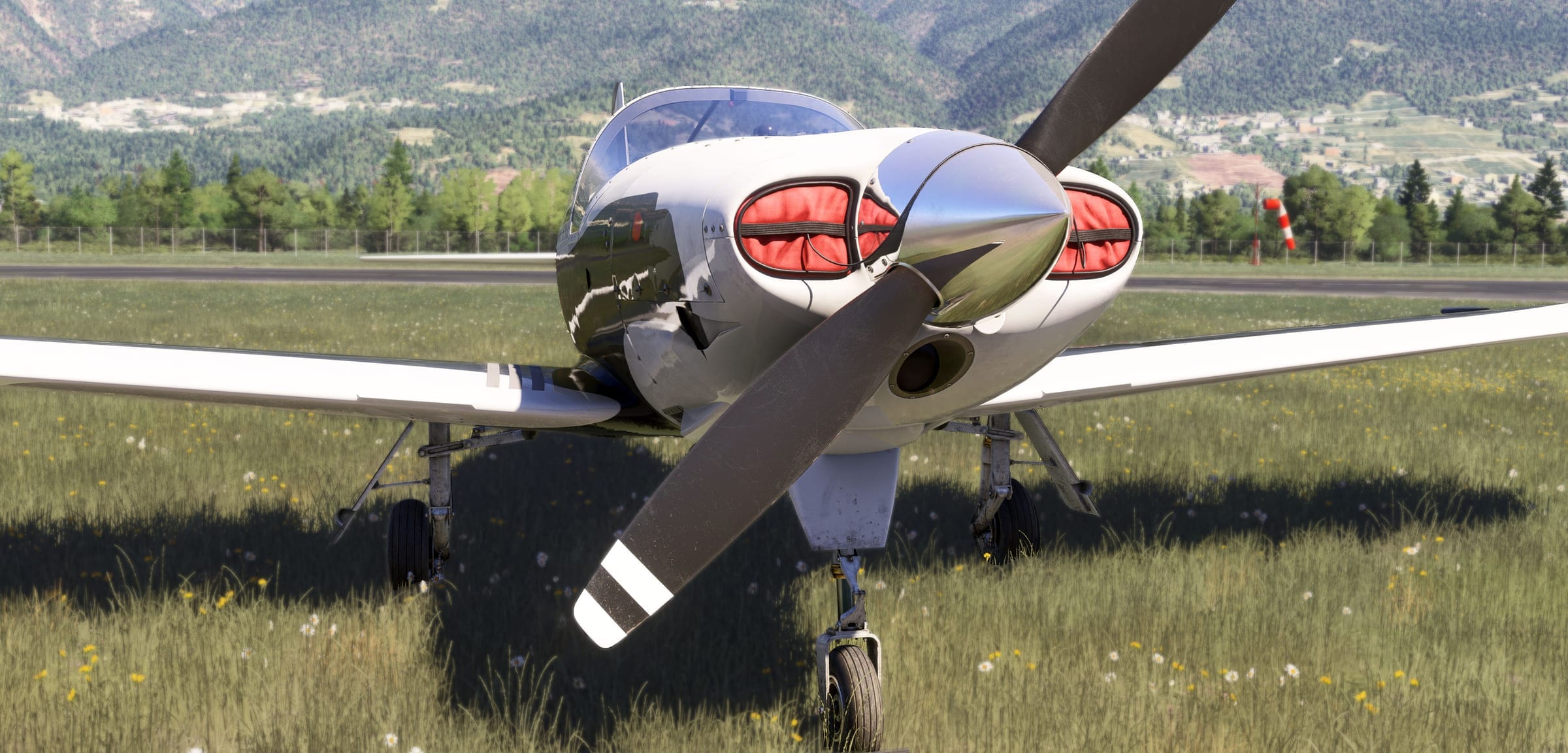
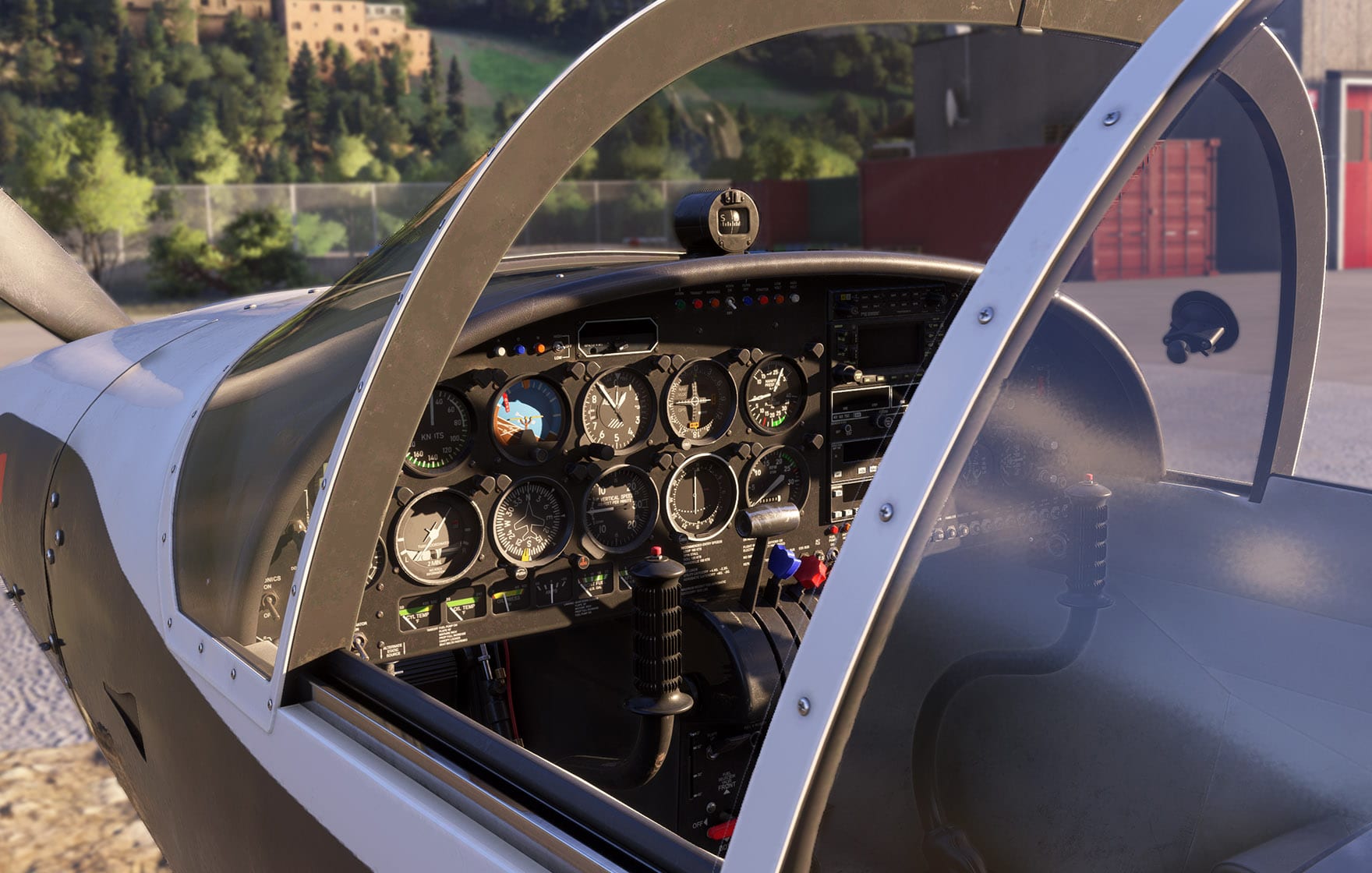
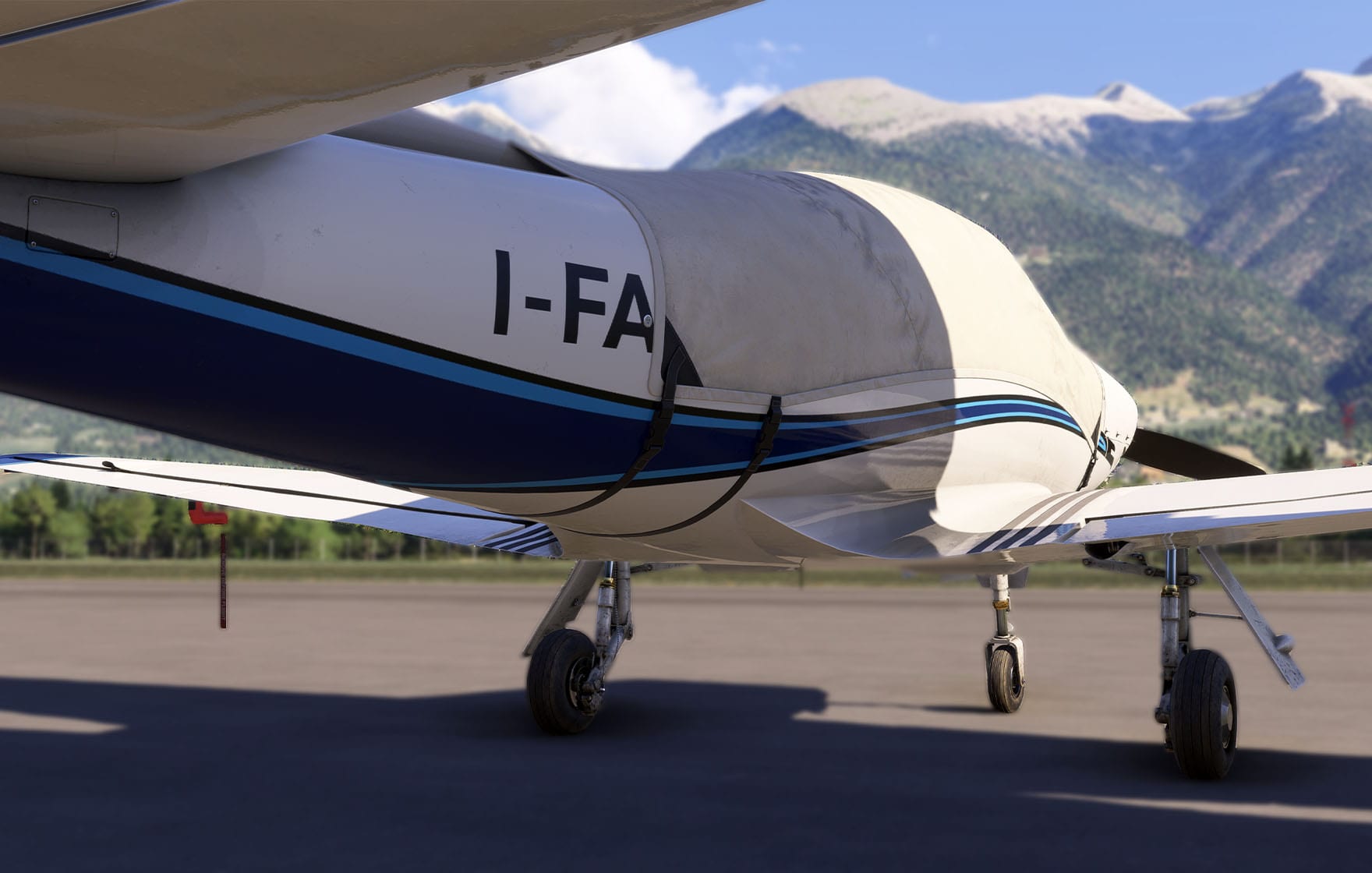
Designed by Stelio Frati in 1955. Modeled here in its 180 hp Sequoia configuration — constant-speed Hartzell propeller, inverted fuel system, analog cockpit.
Brief
A two-seat Italian sport aircraft, drawn in 1955.
Wood, fabric, and a tapered laminar wing.
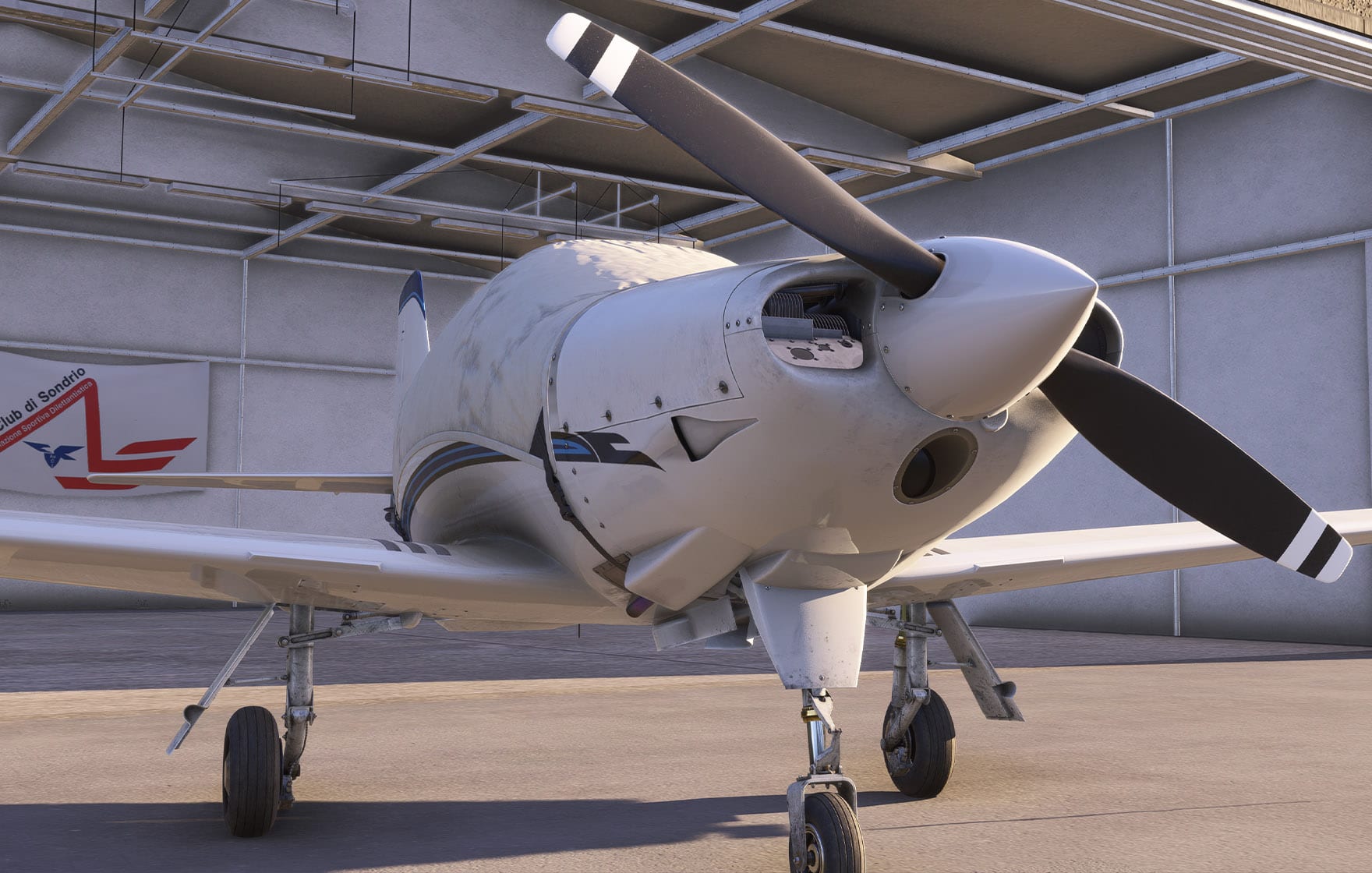
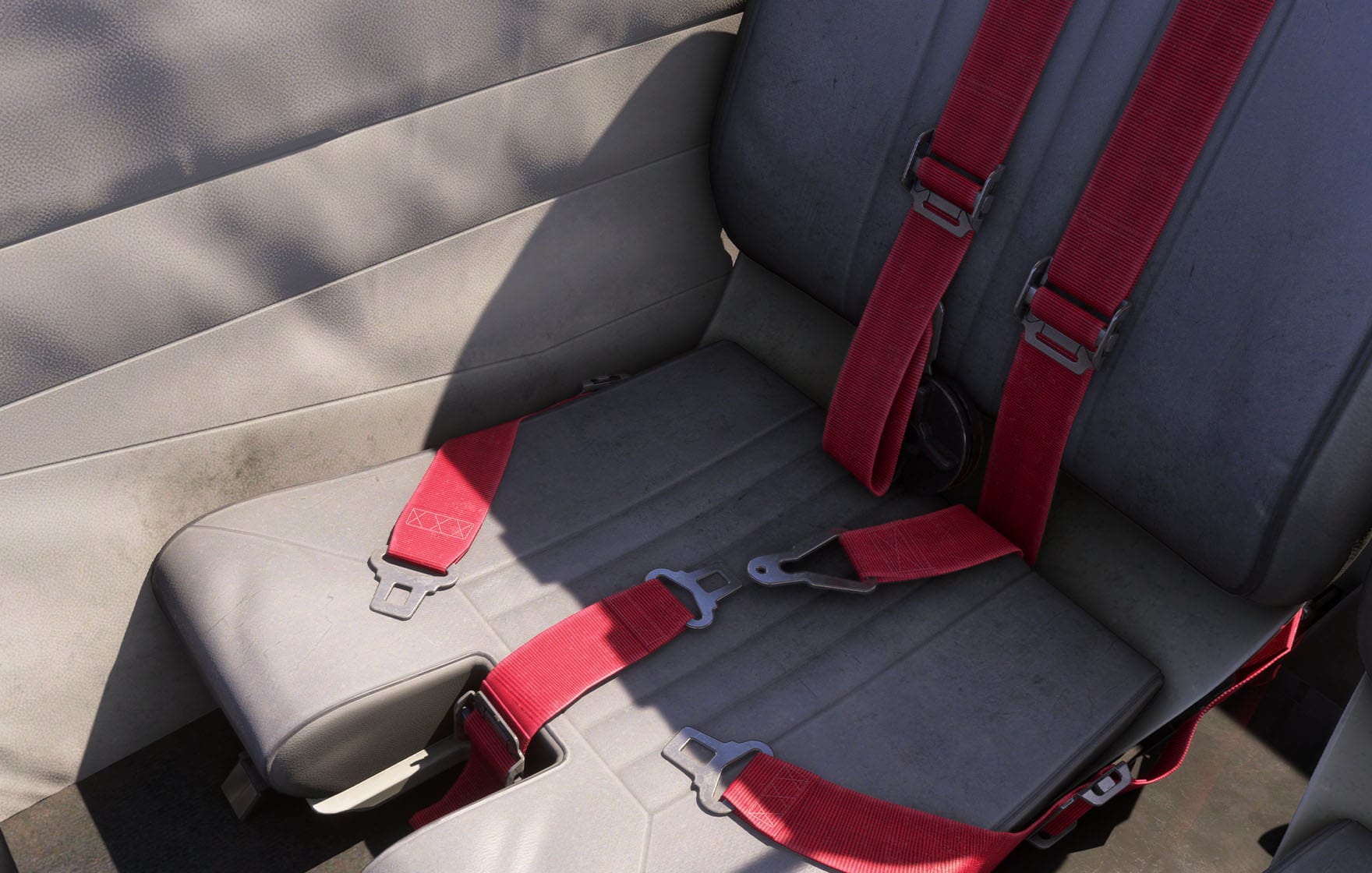
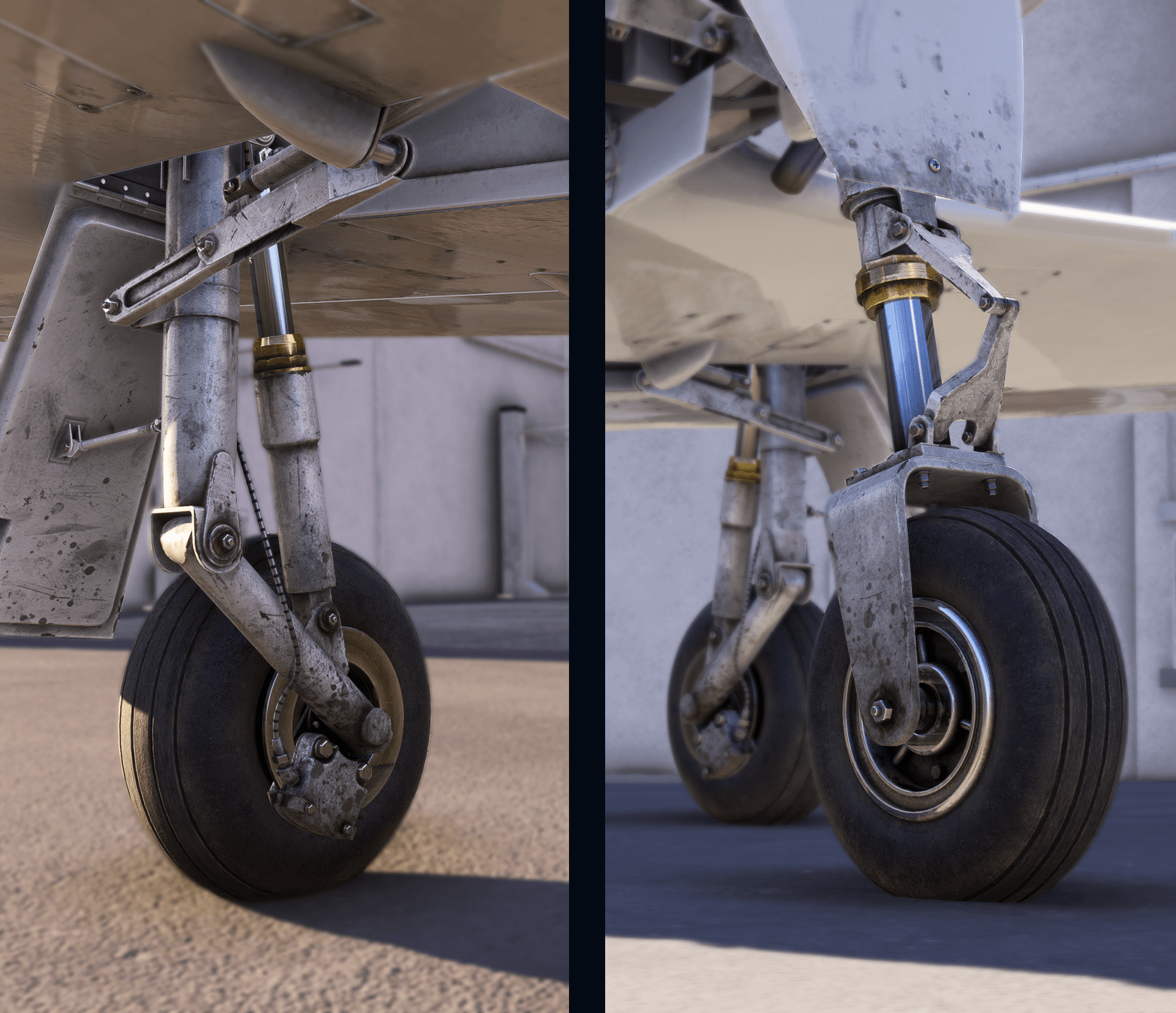
Designed by Italian engineer Stelio Frati and produced through three eras of European and American aircraft makers, the Falco is one of the most refined wooden sport aircraft ever drawn. This simulation models a modern Sequoia configuration with a 180 hp Lycoming AEIO-360-B1E, constant-speed Hartzell propeller and inverted fuel system — preserving the original analog cockpit and direct mechanical controls.
Specifications
Airframe
- Type
- Two-seat sport / tourer
- Wingspan
- 8.00 m
- Length
- 6.53 m
- Empty weight
- ≈ 600 kg
Powerplant
- Engine
- Lycoming AEIO-360-B1E
- Power
- 180 hp
- Propeller
- Hartzell · constant-speed
- Fuel
- AVGAS 100LL
Performance
- Cruise
- 170 kt (196 mph)
- Stall
- 52 kt (60 mph)
- Range
- 1,200 km
- Service ceiling
- 5,800 m
History
Seventy years of the Falco F8L.
From a Milan drawing board to the kit-built airframes that still fly today.
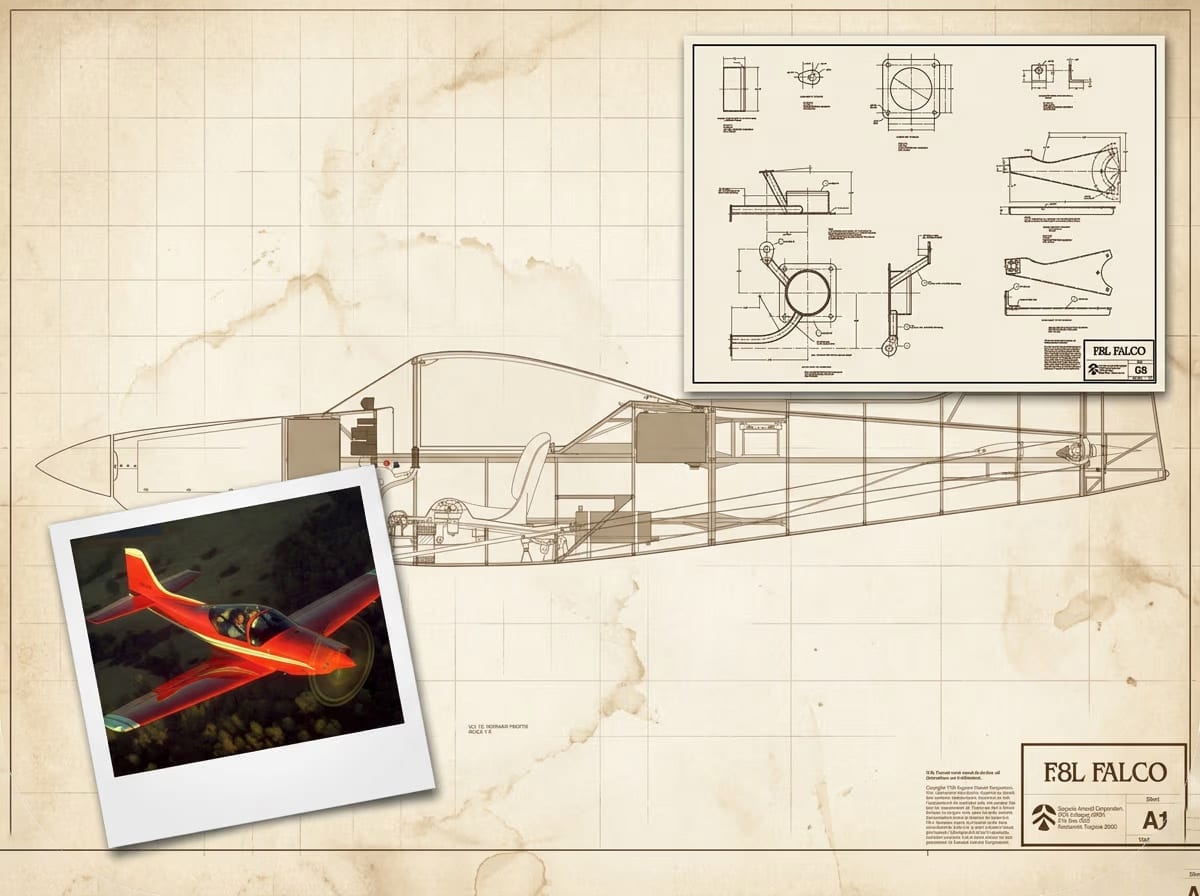
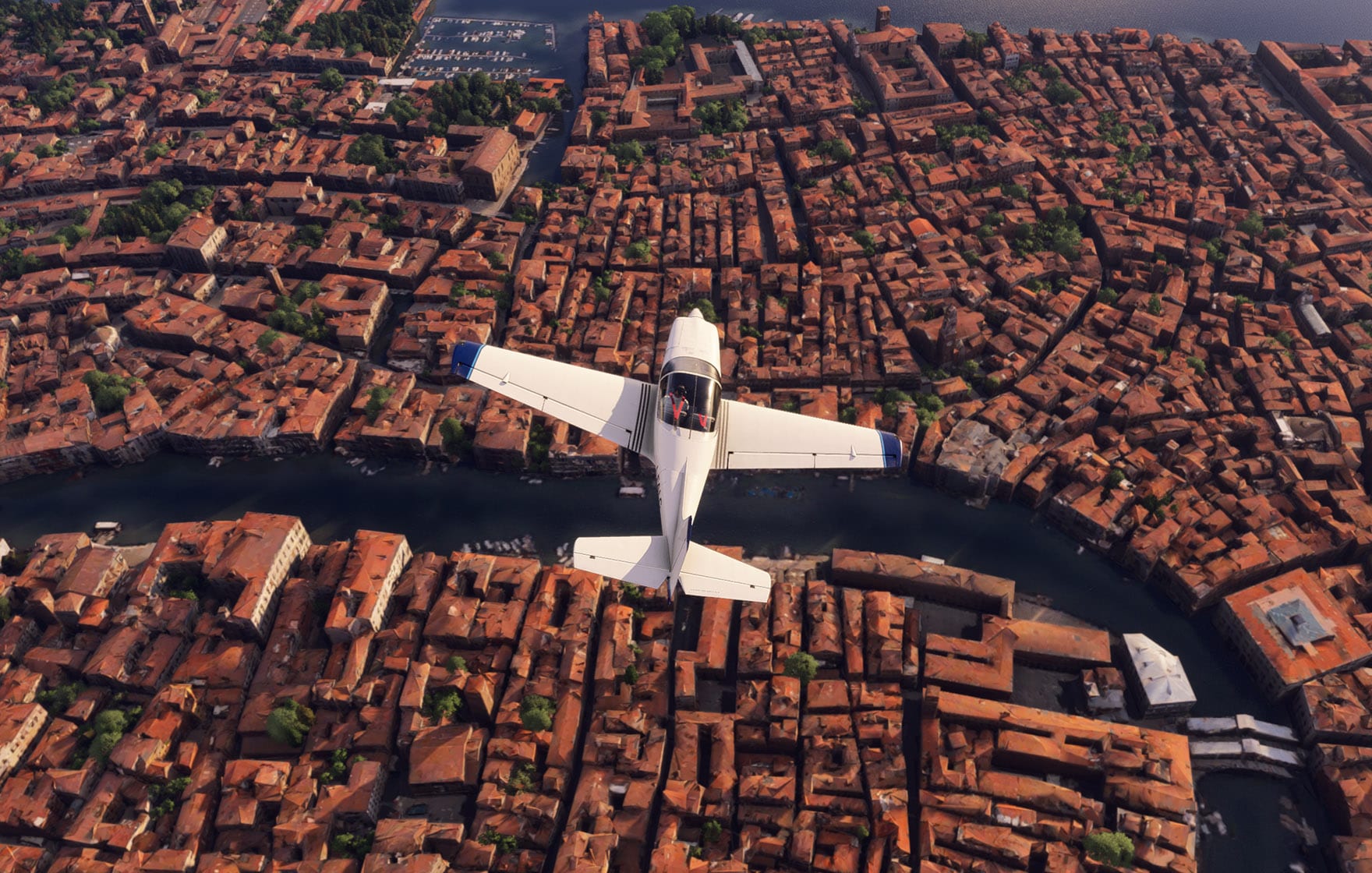
Drawn in 1955 by Italian engineer Stelio Frati, the F.8 Falco took its first flight from Milan-Bresso on 15 June of that year. Series production followed at Aviamilano, Aeromere and Laverda through the 1950s and ’60s — refining the type into one of Europe’s finest sport airframes.
From 1979 to 2014, Sequoia Aircraft Corporation reissued the design as a kit from Richmond, Virginia, with updated structures, modern avionics support and higher-power Lycomings. Seventy years on, the Falco remains one of the most refined wooden sport aircraft ever drawn — and the airframe modeled here, in its 180 hp Sequoia configuration.

Available exclusively on the Microsoft Flight Simulator 2024 Marketplace.
The Falco F8L is sold only through the in-sim Marketplace. It is not available on any other store, and there is no direct purchase on this site.